
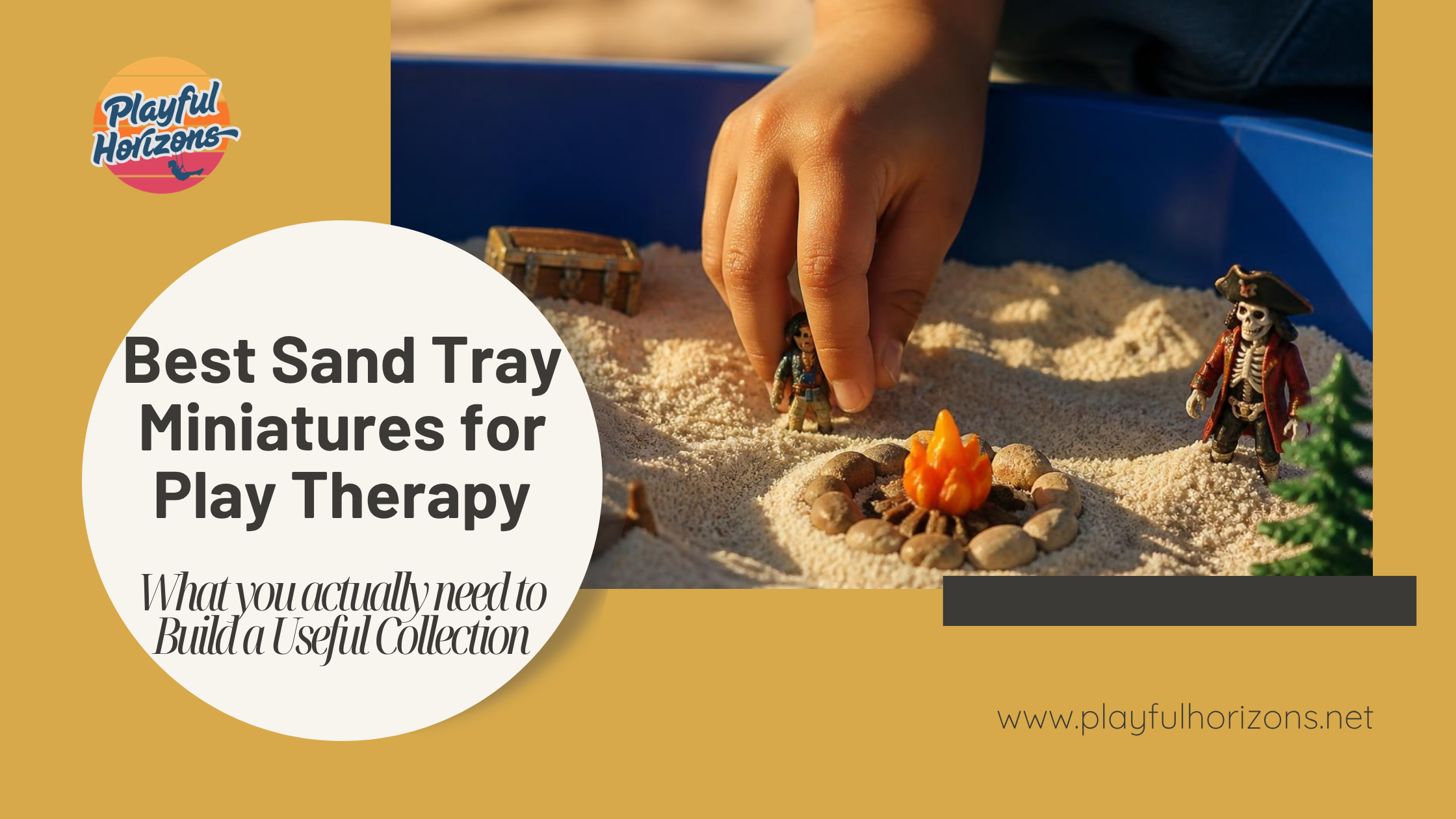
Best Sand Tray Miniatures for Play Therapy: What You Actually Need to Build a Useful Collection
Building a sand tray miniature collection for play therapy doesn't require hundreds of pieces … it requires symbolic range. A strong collection includes representation across 12 core categories: people, animals, buildings, transportation, vegetation, fences and gates, natural items, fantasy, spiritual and mystical, household, landscaping, and miscellaneous. The goal is for any client to walk up to your shelves and find something that can represent their world.
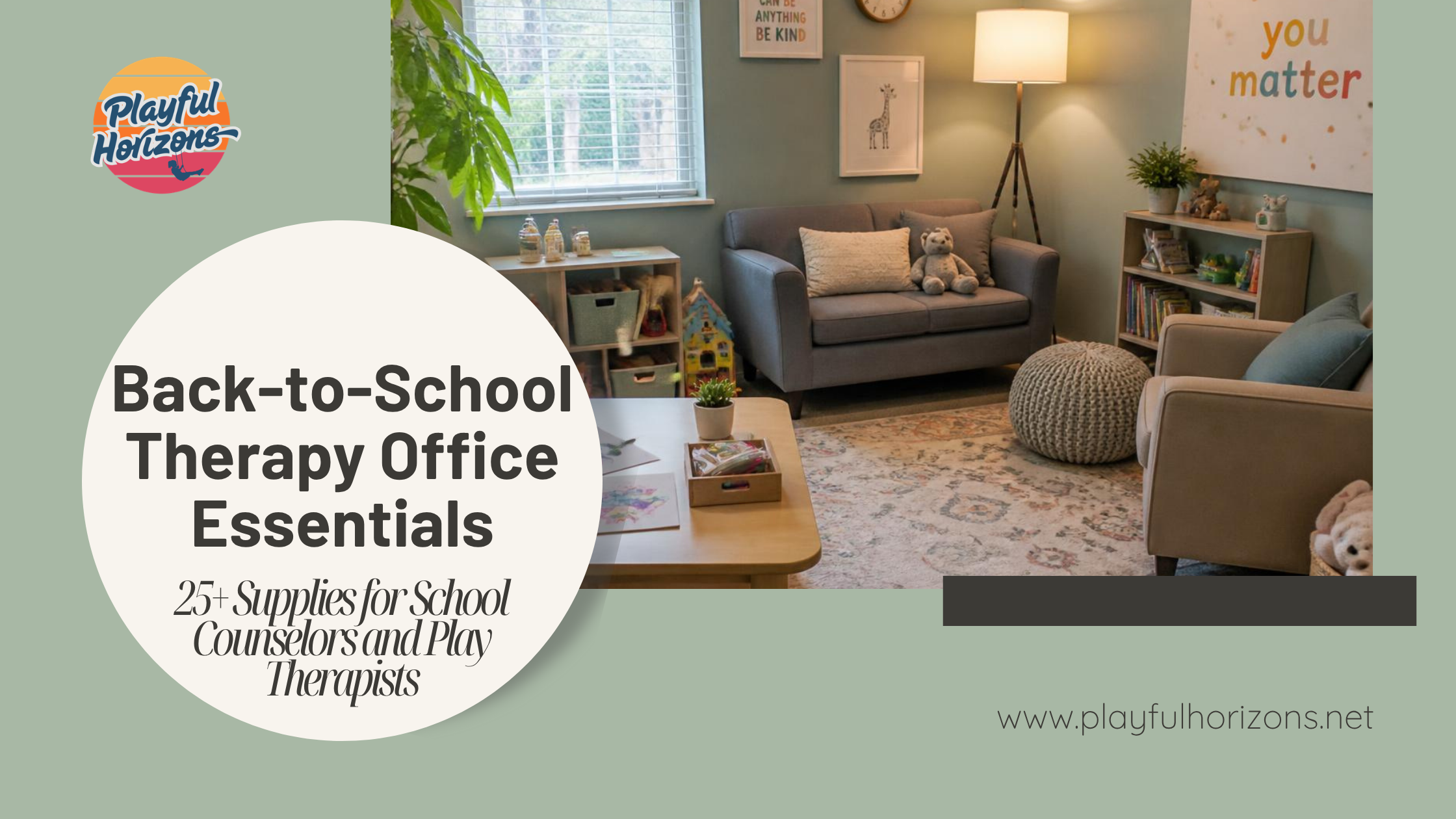
Back-to-School Therapy Office Essentials: 25+ Supplies for School Counselors and Play Therapists
Back-to-school season is the perfect time for school counselors and play therapists to refresh their office supplies. Essential categories include regulation and sensory tools, portable play supplies, art and creative expression materials, games and connection tools, calm-down corner items, and basic organization supplies. This guide covers what to restock, what to upgrade, and exactly what to prioritize at $50, $100, and $250 budgets.
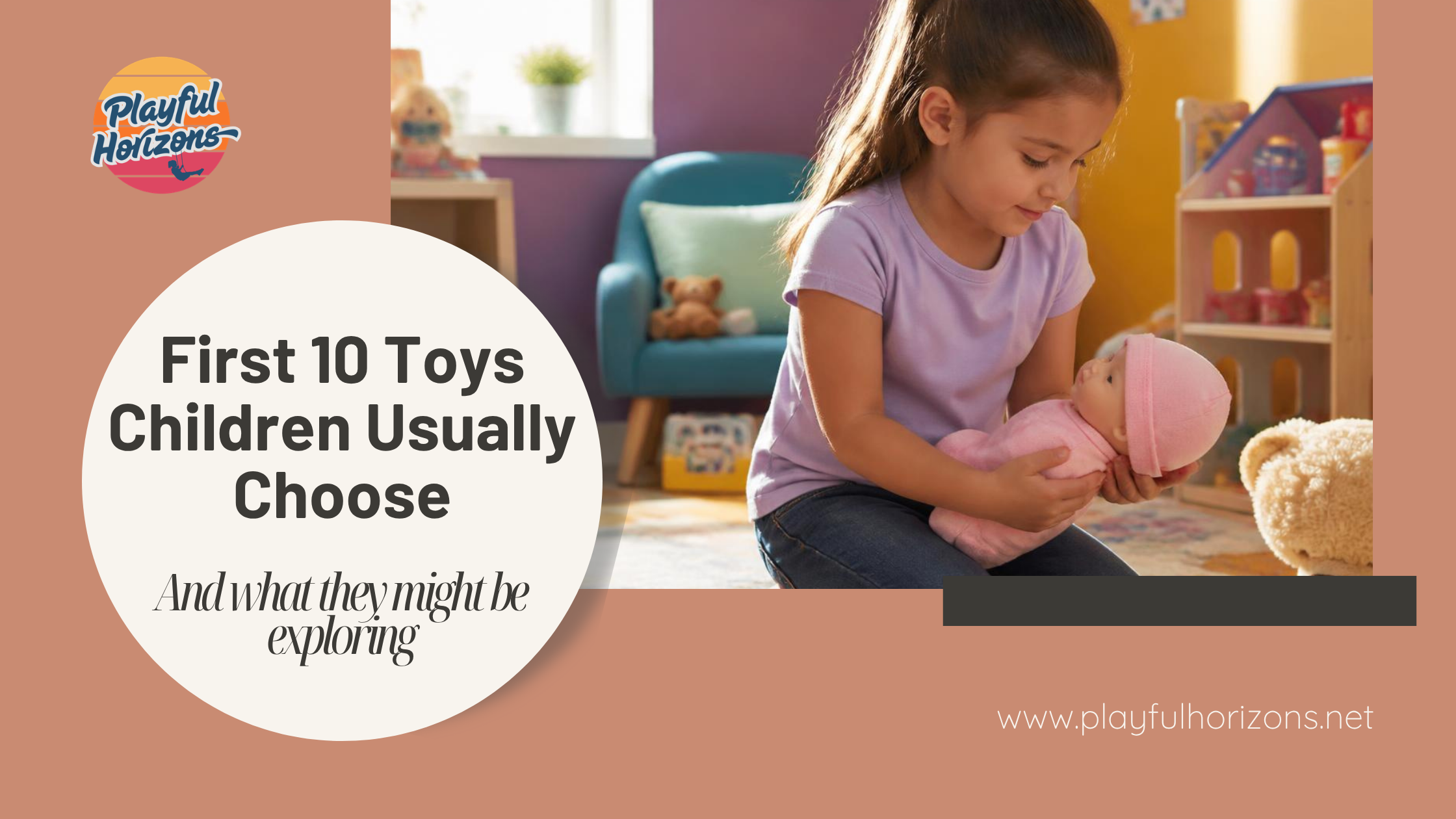
The First 10 Toys Children Usually Choose (And What They Might Be Exploring)
The toys children reach for first in play therapy often open windows into what they're carrying. Baby dolls, dollhouses, puppets, swords, handcuffs, medical kits, art supplies, animals, blocks, and kitchen sets are among the most common first choices and each one can open opportunities to explore a wide range of themes, from nurturing and family dynamics to anger, control, trauma processing, and real-life role exploration.

Why Toy Selection Matters More Than You Think in Child-Centered Play Therapy
In child-centered play therapy, toy selection is a clinical decision. The toys in the room communicate acceptance, permission, and safety to children before a single word is spoken. Grounded in Garry Landreth's framework, intentional toy selection ensures that each item serves a therapeutic purpose -- supporting emotional expression, nurturing, aggression release, creativity, or mastery -- while reflecting the diversity of the children who use the space.
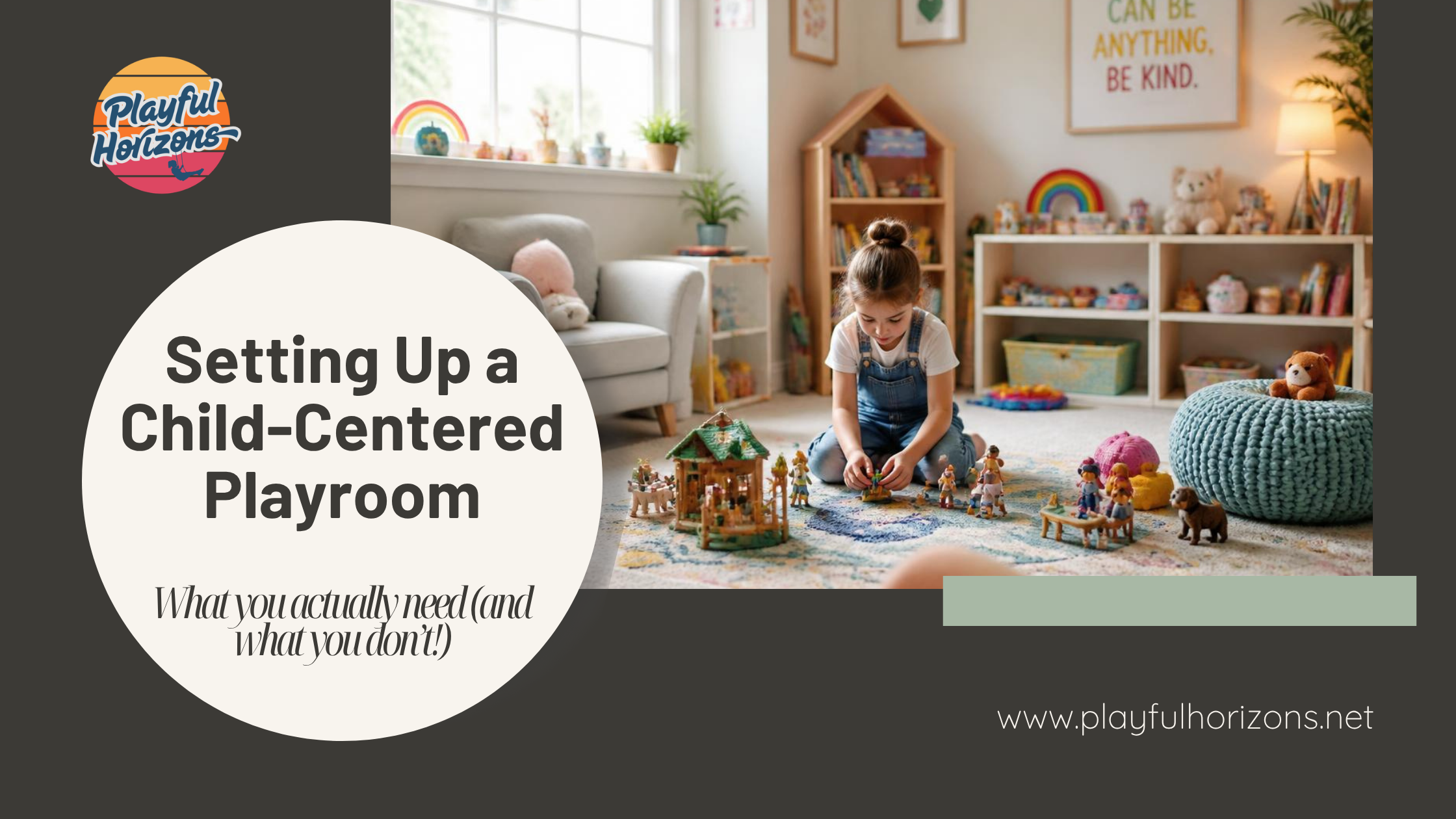
How to Set Up a Child-Centered Play Therapy Room: What You Actually Need (and What You Don't)
Setting up a child-centered play therapy room isn't about having the most toys. It's about selecting materials with clinical intentionality. A well-designed CCPT room includes carefully chosen items across key therapeutic categories: nurturing toys, aggressive expression toys, creative arts materials, sensory tools, and real-life/domestic play items. Everything in the room should be at the child's level, durable enough to withstand genuine play, and chosen for a clinical reason … not collected at random.

Limit Setting in Play Therapy: How to Use the ACT Model Without Losing the Relationship
The ACT model is a three-step limit-setting approach used in child-centered play therapy: Acknowledge the child's feeling, wish, or want; Communicate the limit clearly; and Target two appropriate alternatives. Developed by Dr. Garry Landreth, ACT allows therapists to hold firm limits while staying warm and attuned, protecting both the safety of the space and the therapeutic relationship.
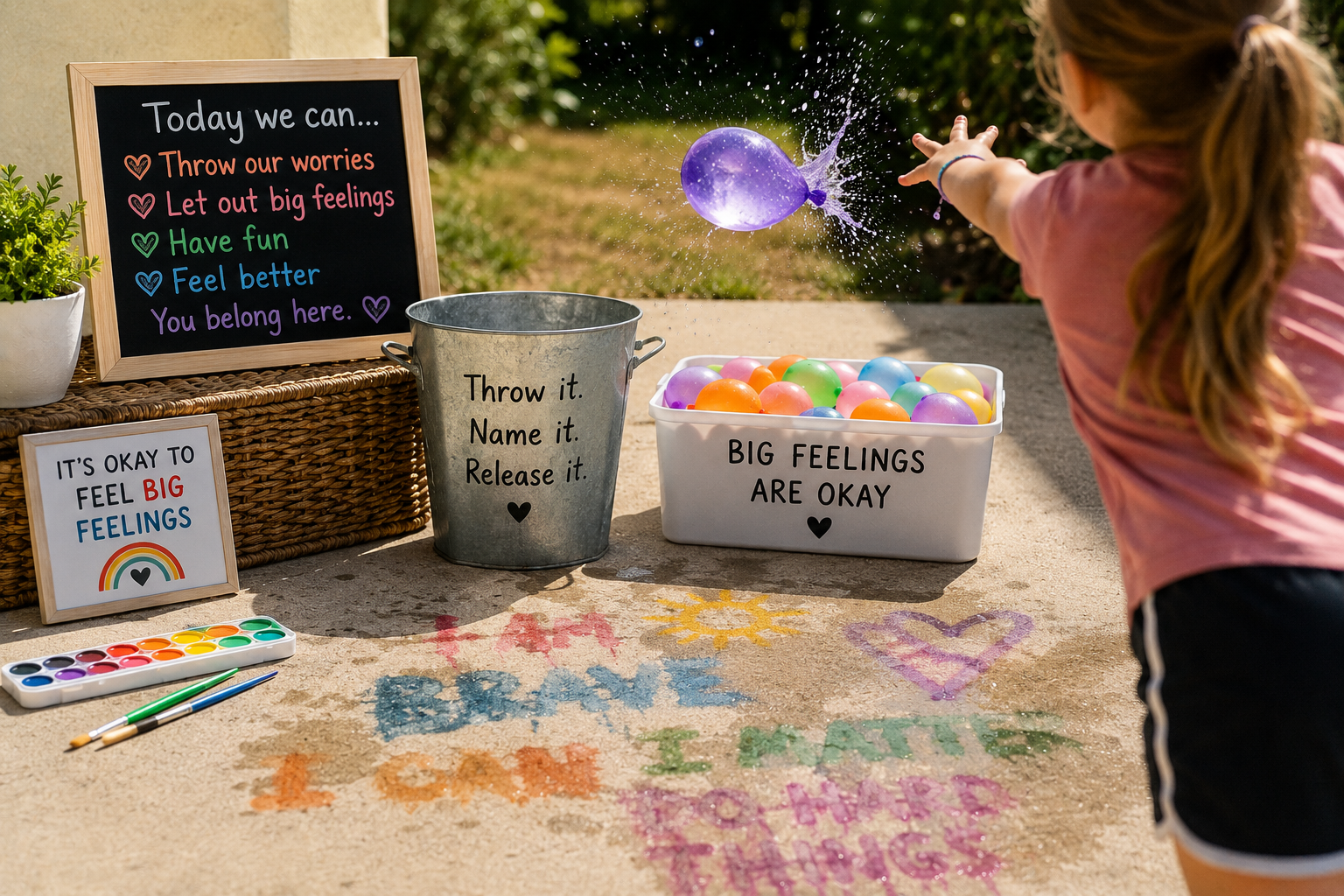
Water Balloons in Play Therapy
Reusable water balloons make a surprisingly powerful play therapy tool for helping children release and process big feelings. By naming a fear, frustration, or worry out loud while throwing the balloon, children get to move the emotion through their body in a way that talking alone never quite achieves. Add a sidewalk painting activity afterward and you have a complete session intervention that addresses emotional expression, regulation, and the concept that feelings are temporary.

Stories in Motion: A Play-Based Timeline Activity for Kids
Kids don't just tell their stories—they move through them, jump into them, and sometimes even wiggle and roll right through the tough parts. Stories in Motion transforms a regular timeline reflection into a fully immersive play experience, helping children map out their past and imagine their future.
Designed for play therapists, school counselors, and child-focused clinicians, this activity pulls together gross motor skills, imaginative play, and therapeutic reflection to support children in understanding the past experiences that have shaped them and reflect on their future goals.
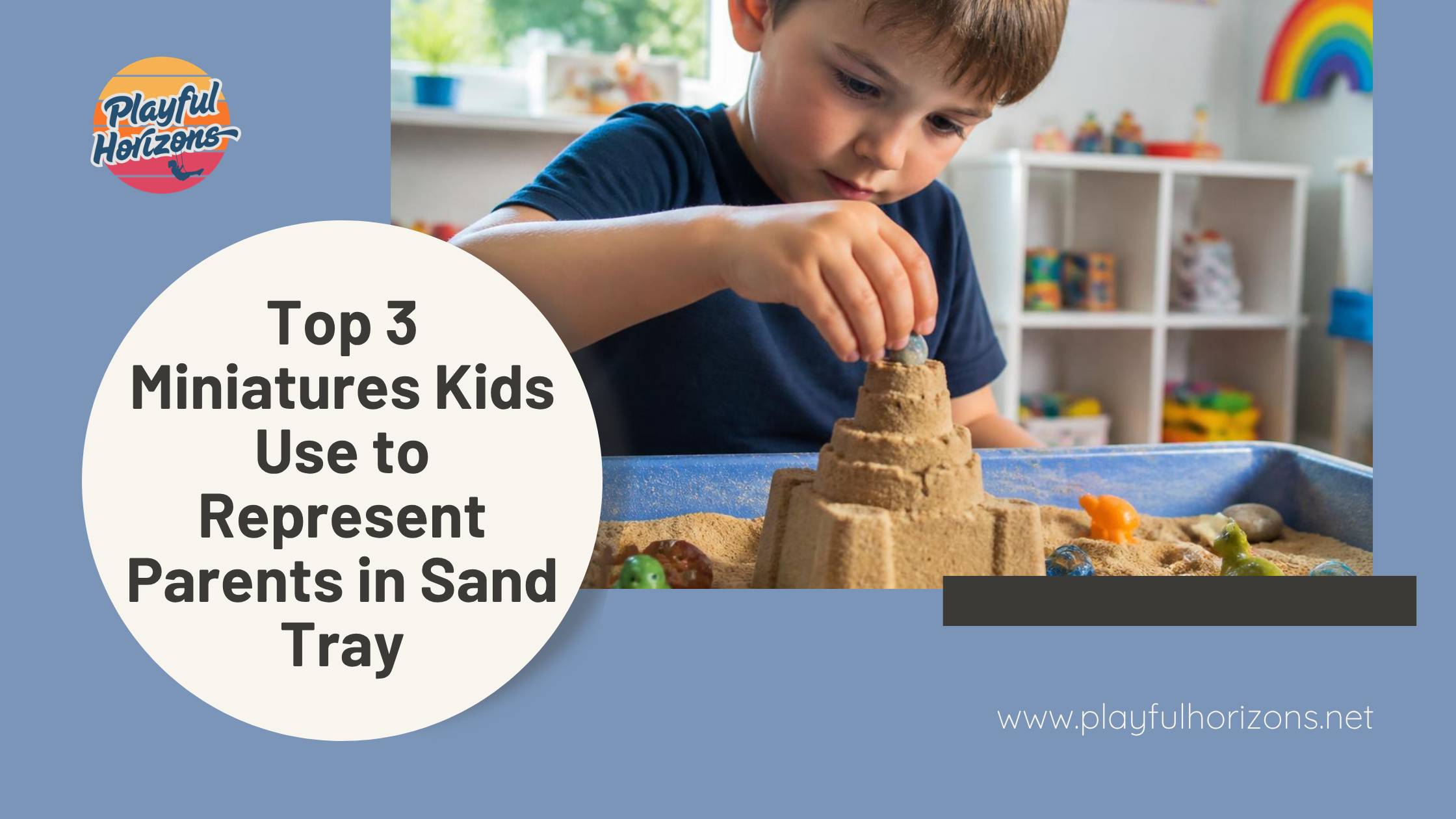
The Top 3 Miniatures Kids Use to Represent Parents in the Sand Tray
In sand tray therapy, the miniatures children choose to represent their parents often reveal more about those relationships than anything said aloud. Across hundreds of sessions, three miniatures appear most frequently: simple colorful people figures (often used to show distance or neutrality), bride and groom figures (frequently chosen to represent idealized or performative parenting), and a figure hunched over a phone (the most heartbreaking and most common of all).