

Play Themes in Child-Centered Play Therapy: What Should You Actually Pay Attention To?
Play themes in child-centered play therapy are patterns of behavior, imagery, or emotion that repeat across a session or across multiple sessions with increasing intensity or consistency. A single play behavior is not a theme. Themes are identified through repetition, intensity, context, and change over time and not from a single action in a single session.
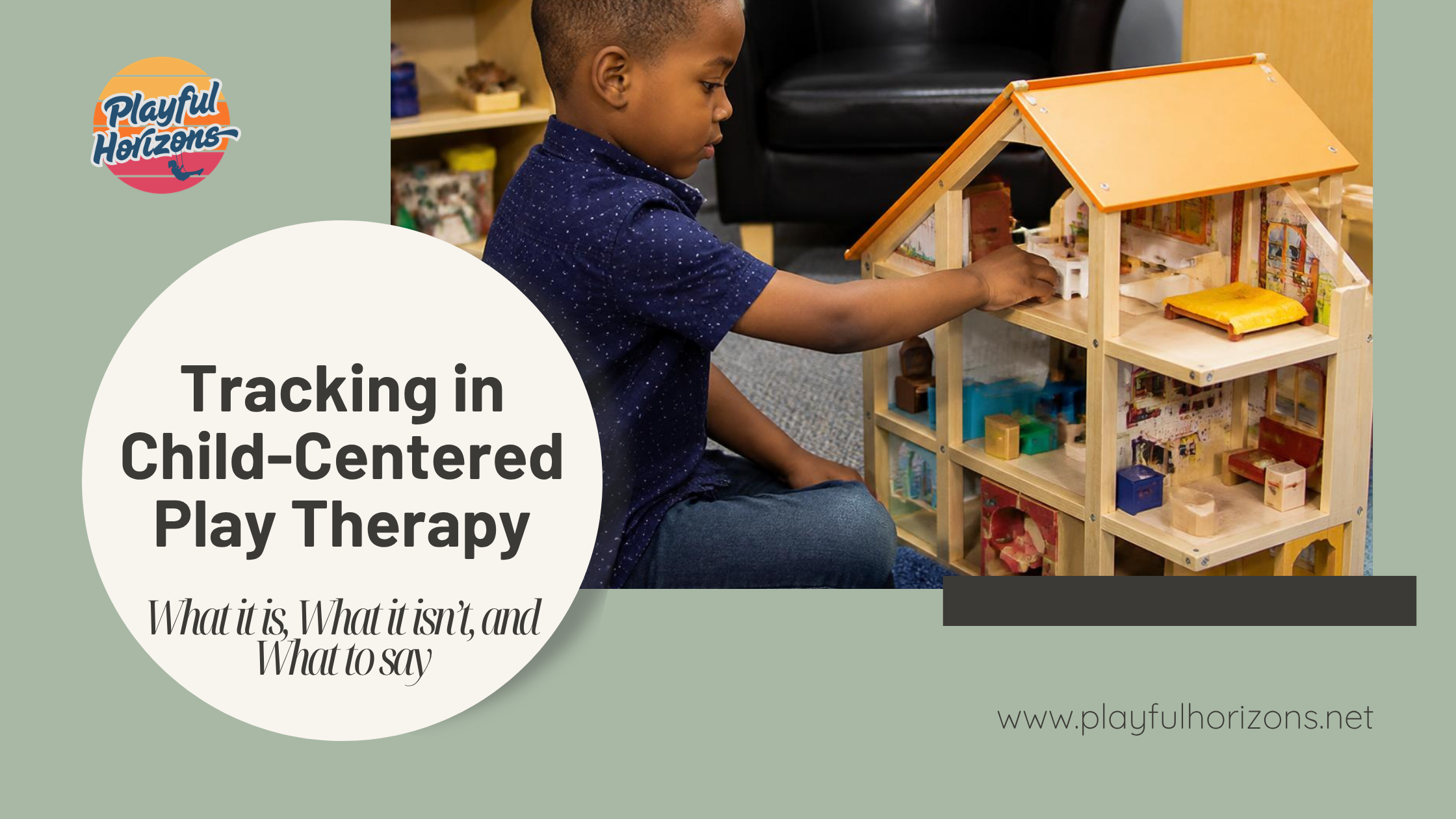
Tracking in Child-Centered Play Therapy: What It Is, What It Isn't, and What to Say
Tracking in child-centered play therapy is the skill of verbally noting what a child is doing without interpretation, praise, or judgment. It communicates presence and attunement while keeping the therapist out of the child's lead. Tracking is not narrating everything the child does, asking questions, or offering praise, it's a deliberate, attuned response that follows the child's tempo and communicates: I see you and I am with you.
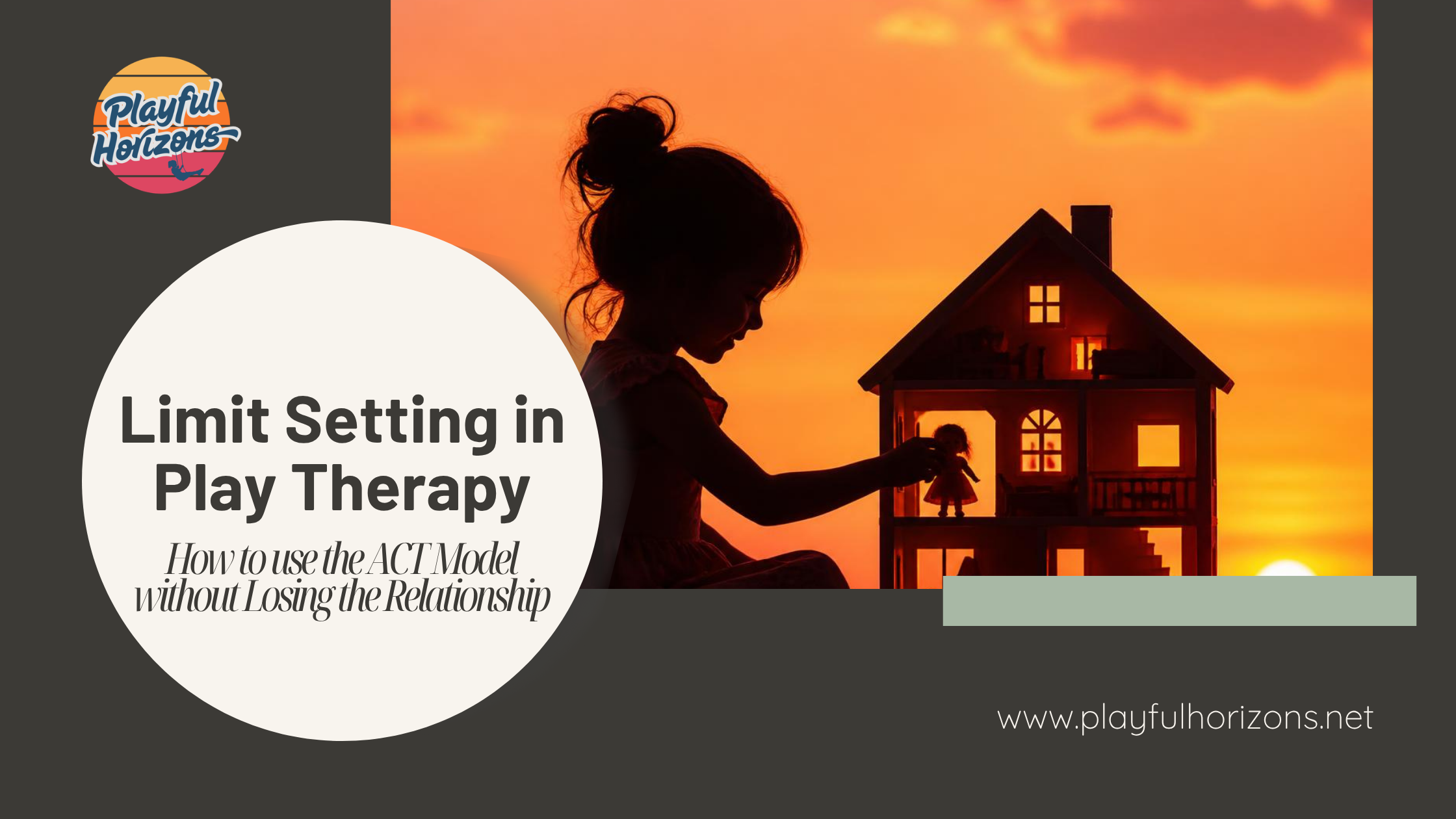
Limit Setting in Play Therapy: How to Use the ACT Model Without Losing the Relationship
The ACT model is a three-step limit-setting approach used in child-centered play therapy: Acknowledge the child's feeling, wish, or want; Communicate the limit clearly; and Target two appropriate alternatives. Developed by Dr. Garry Landreth, ACT allows therapists to hold firm limits while staying warm and attuned, protecting both the safety of the space and the therapeutic relationship.