
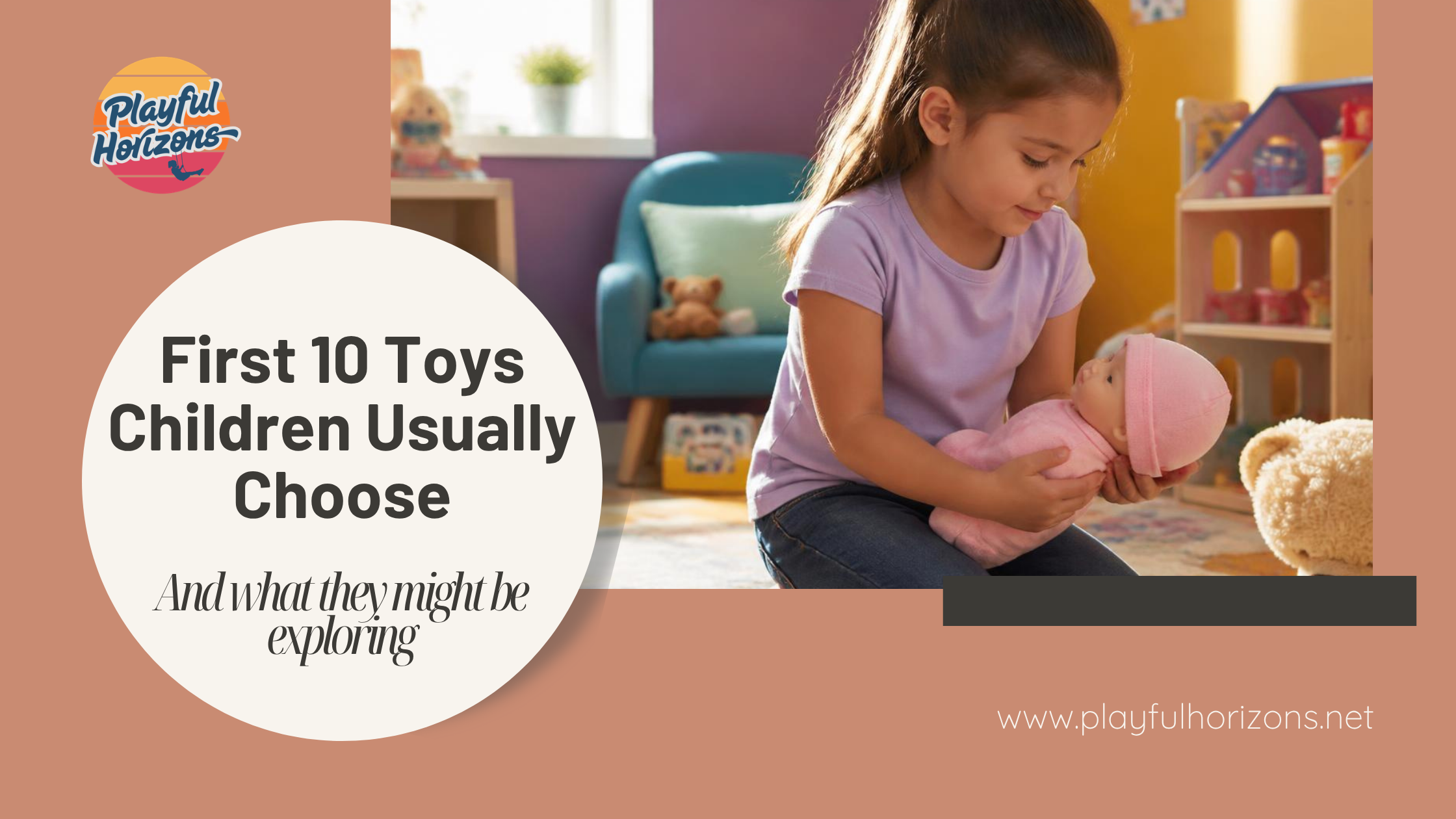
The First 10 Toys Children Usually Choose (And What They Might Be Exploring)
The toys children reach for first in play therapy often open windows into what they're carrying. Baby dolls, dollhouses, puppets, swords, handcuffs, medical kits, art supplies, animals, blocks, and kitchen sets are among the most common first choices and each one can open opportunities to explore a wide range of themes, from nurturing and family dynamics to anger, control, trauma processing, and real-life role exploration.
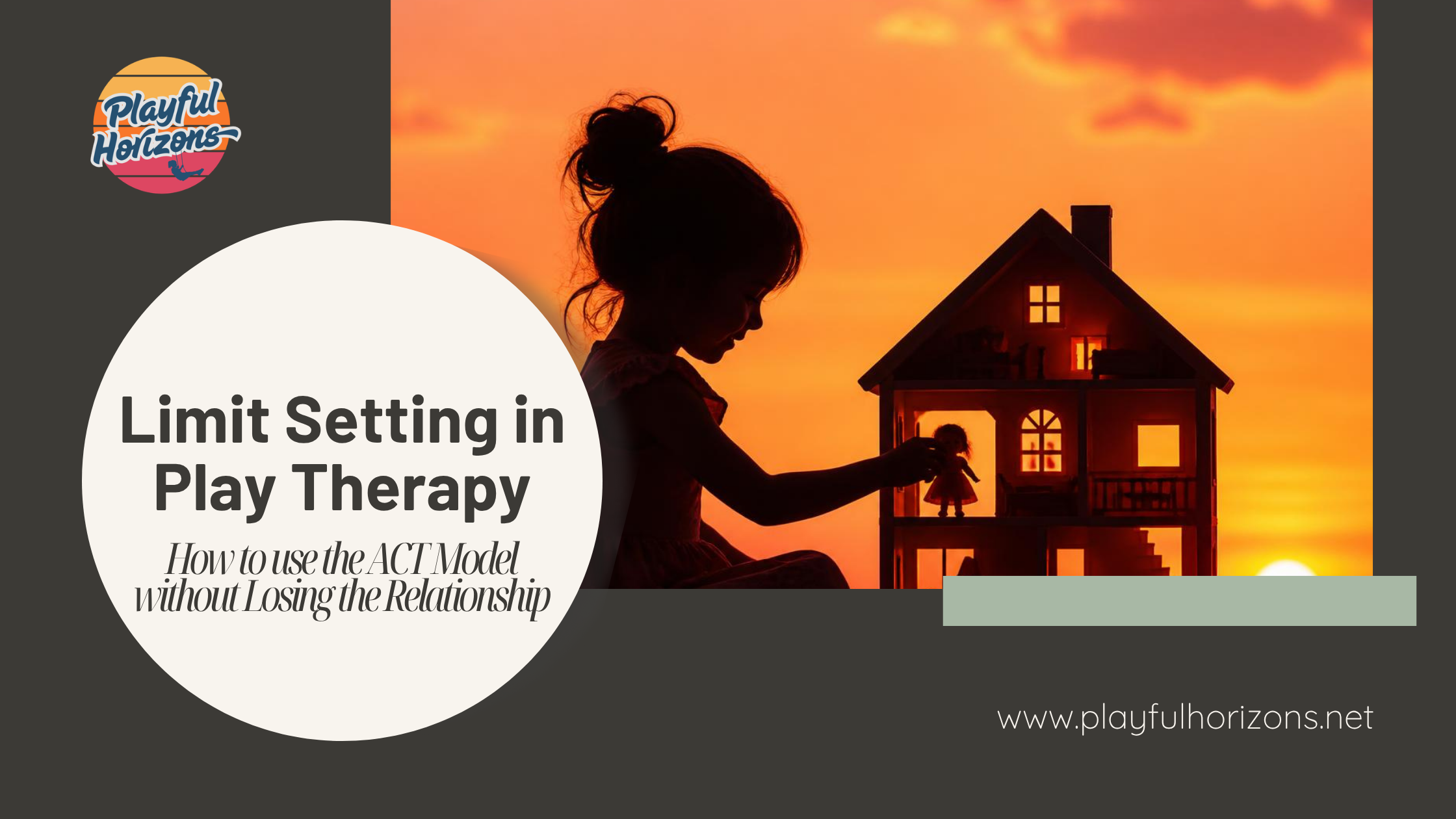
Limit Setting in Play Therapy: How to Use the ACT Model Without Losing the Relationship
The ACT model is a three-step limit-setting approach used in child-centered play therapy: Acknowledge the child's feeling, wish, or want; Communicate the limit clearly; and Target two appropriate alternatives. Developed by Dr. Garry Landreth, ACT allows therapists to hold firm limits while staying warm and attuned, protecting both the safety of the space and the therapeutic relationship.
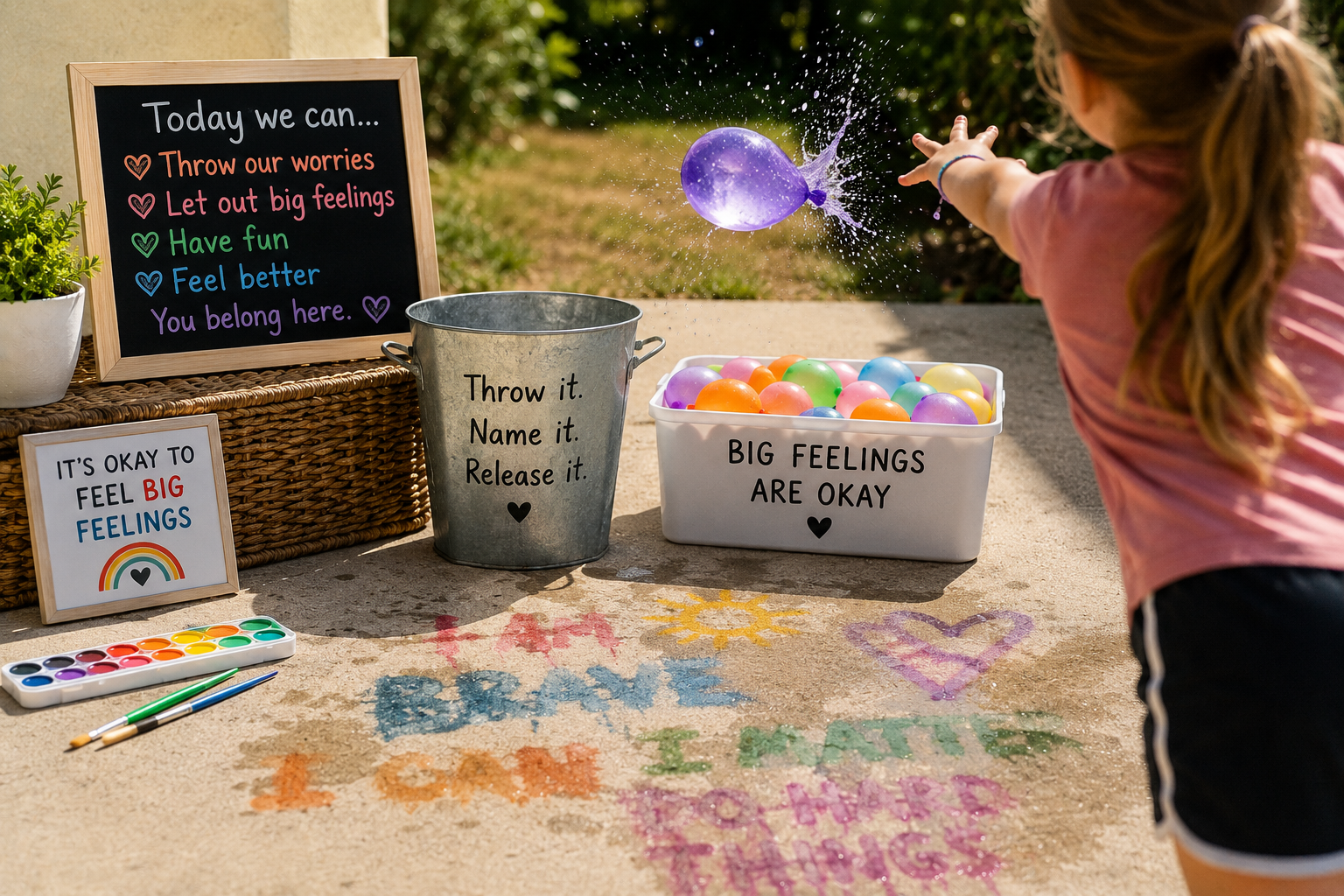
Water Balloons in Play Therapy
Reusable water balloons make a surprisingly powerful play therapy tool for helping children release and process big feelings. By naming a fear, frustration, or worry out loud while throwing the balloon, children get to move the emotion through their body in a way that talking alone never quite achieves. Add a sidewalk painting activity afterward and you have a complete session intervention that addresses emotional expression, regulation, and the concept that feelings are temporary.
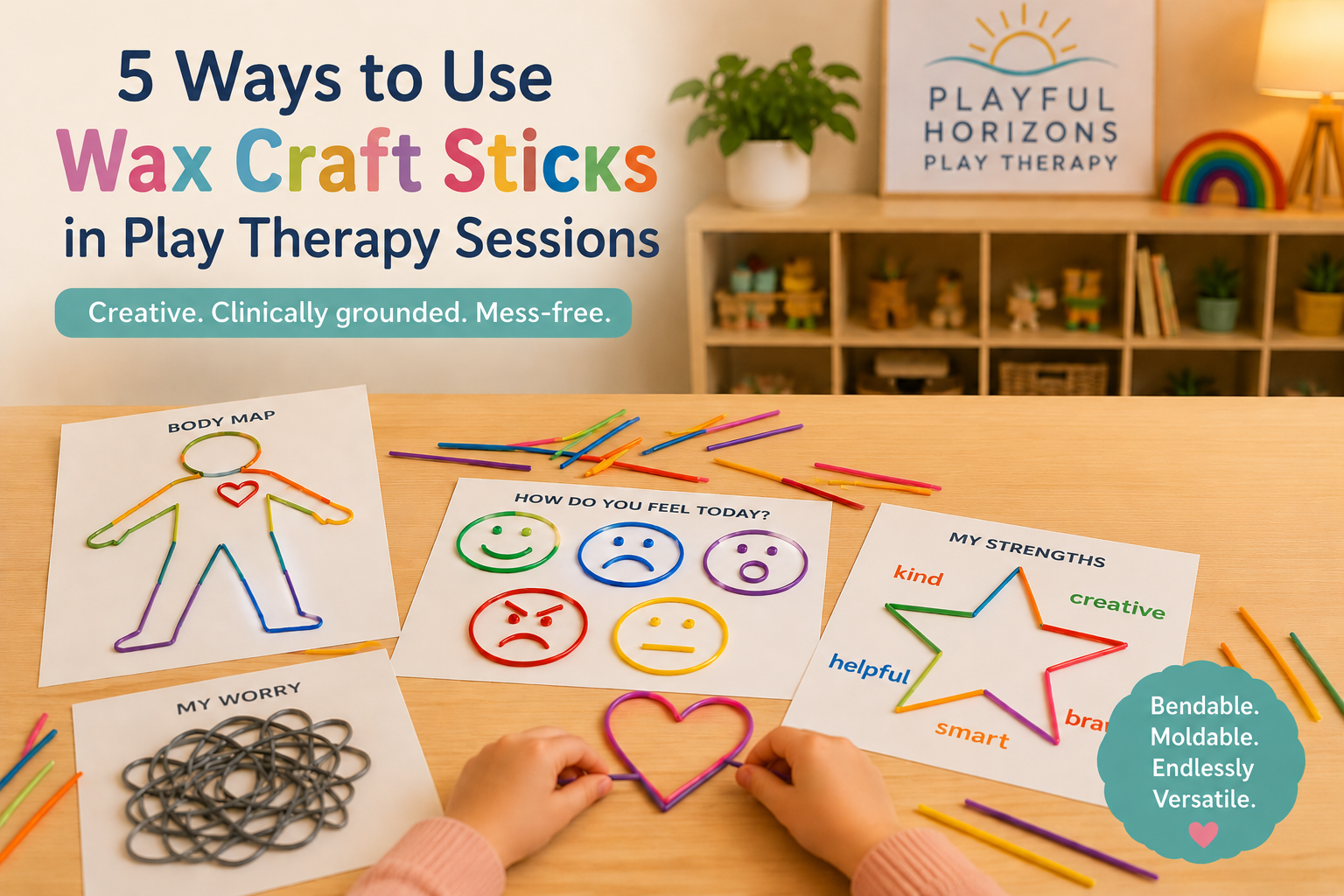
5 Ways to Use Wax Craft Sticks in Play Therapy Sessions
Some of the best therapy tools are the ones that do not look like therapy tools at all.
Wax craft sticks are exactly that. The moment a child spots them on the table, they reach for them. There is no hesitation, no wariness, no "what are we doing today." They just start making things.
Here are five ways I use them in session, and the clinical reasoning behind each one.