
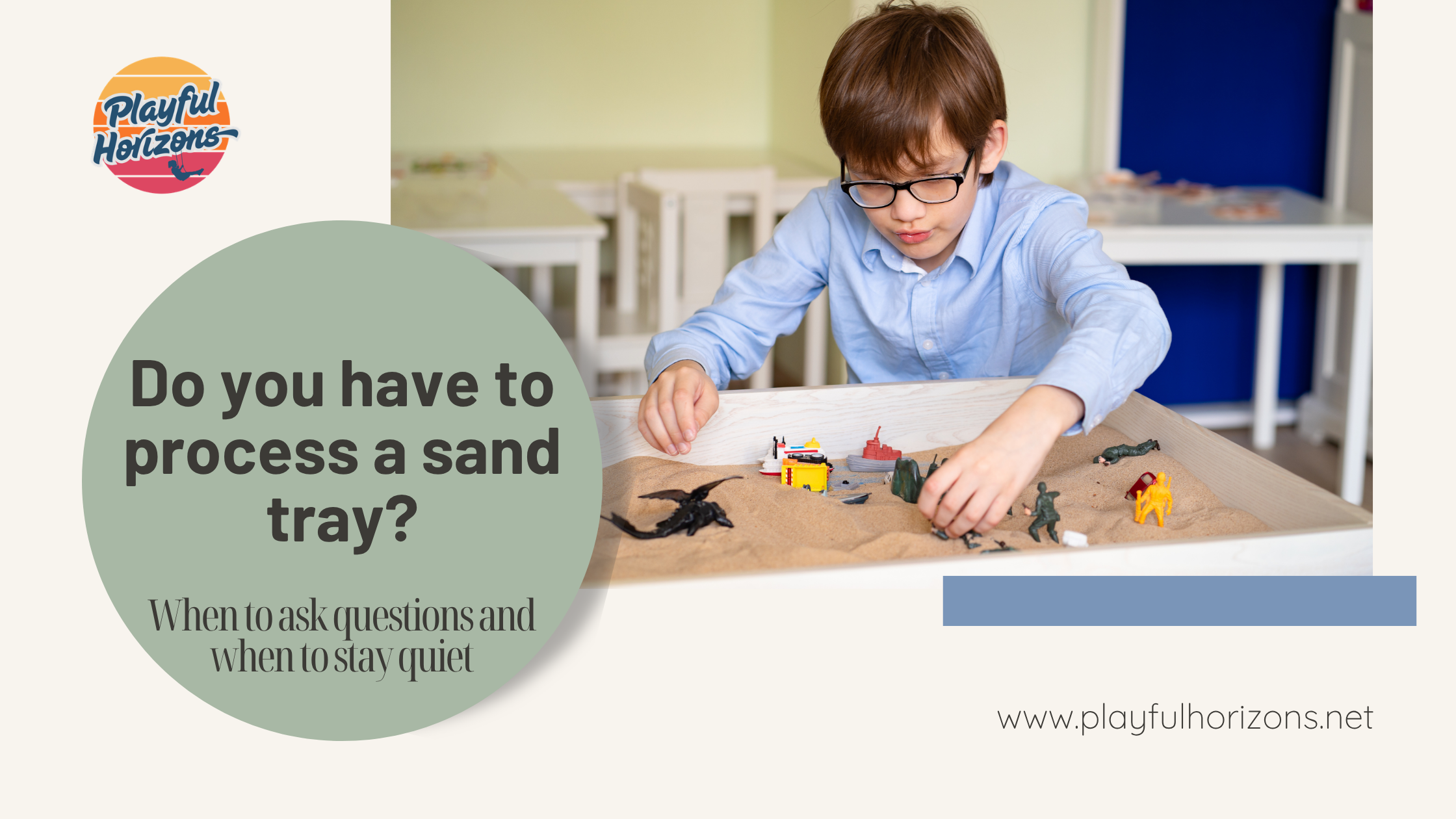
Do You Have to Process a Sand Tray? When to Ask Questions and When to Stay Quiet
Whether to process a sand tray depends on your theoretical orientation, the client's developmental level, whether the tray was spontaneous or directive, and the depth of the client's immersion in their own metaphor. In child-centered work, silence and presence are often more therapeutically powerful than questions. When questions are used, they should invite the client to share their own meaning rather than suggest the therapist's interpretation.
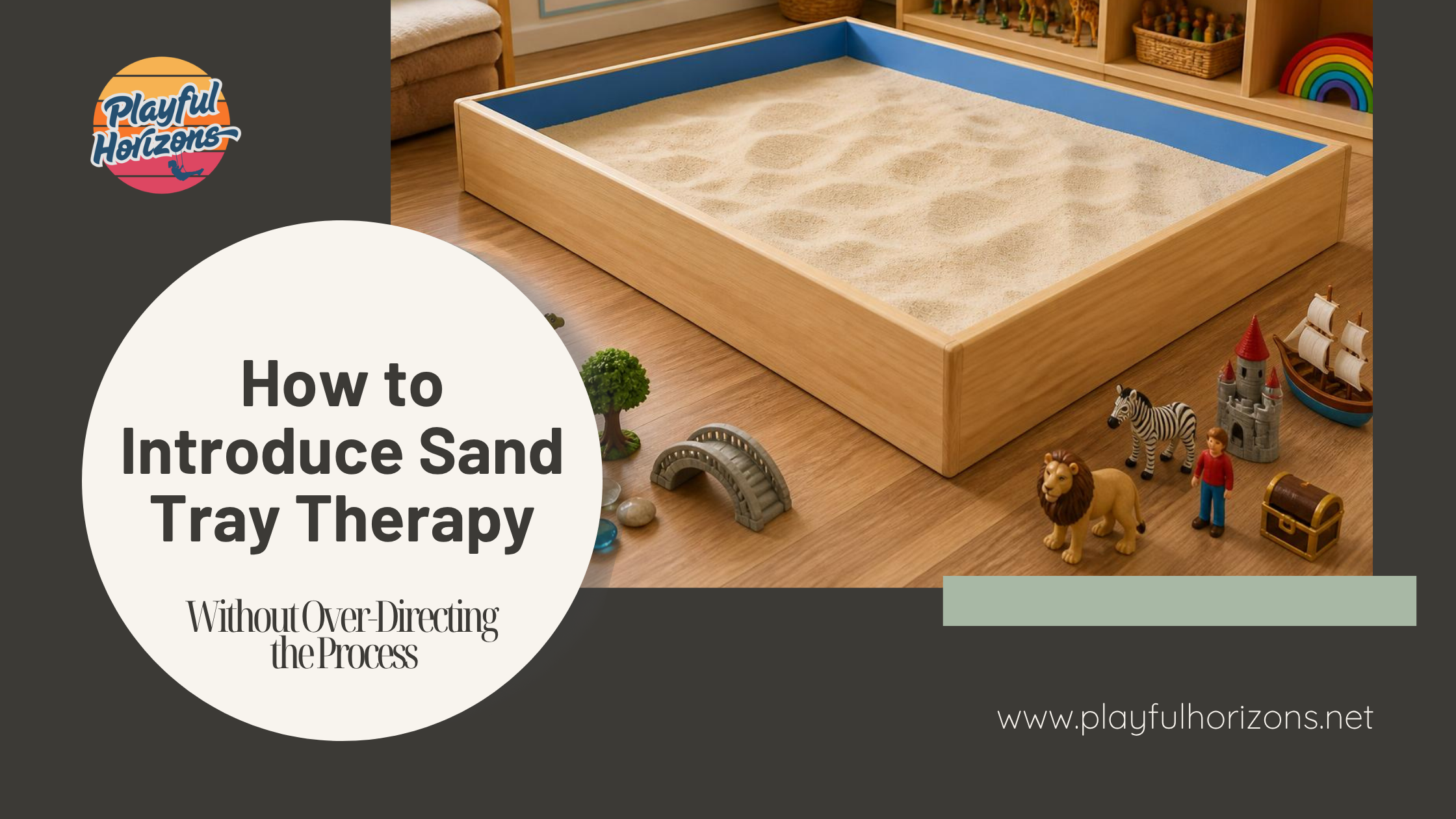
How to Introduce Sand Tray Therapy Without Over-Directing the Process
Introducing sand tray therapy well means saying less than you think you need to. In a child-centered model, the tray is simply part of the room. It’s available, accessible, and uninstructed. In more directive work, a brief, clear introduction is all that's needed. Point to the tray, point to the miniatures, and invite the child to create a scene in the sand. Your clinical stance, not your explanation, is what shapes the therapeutic experience.
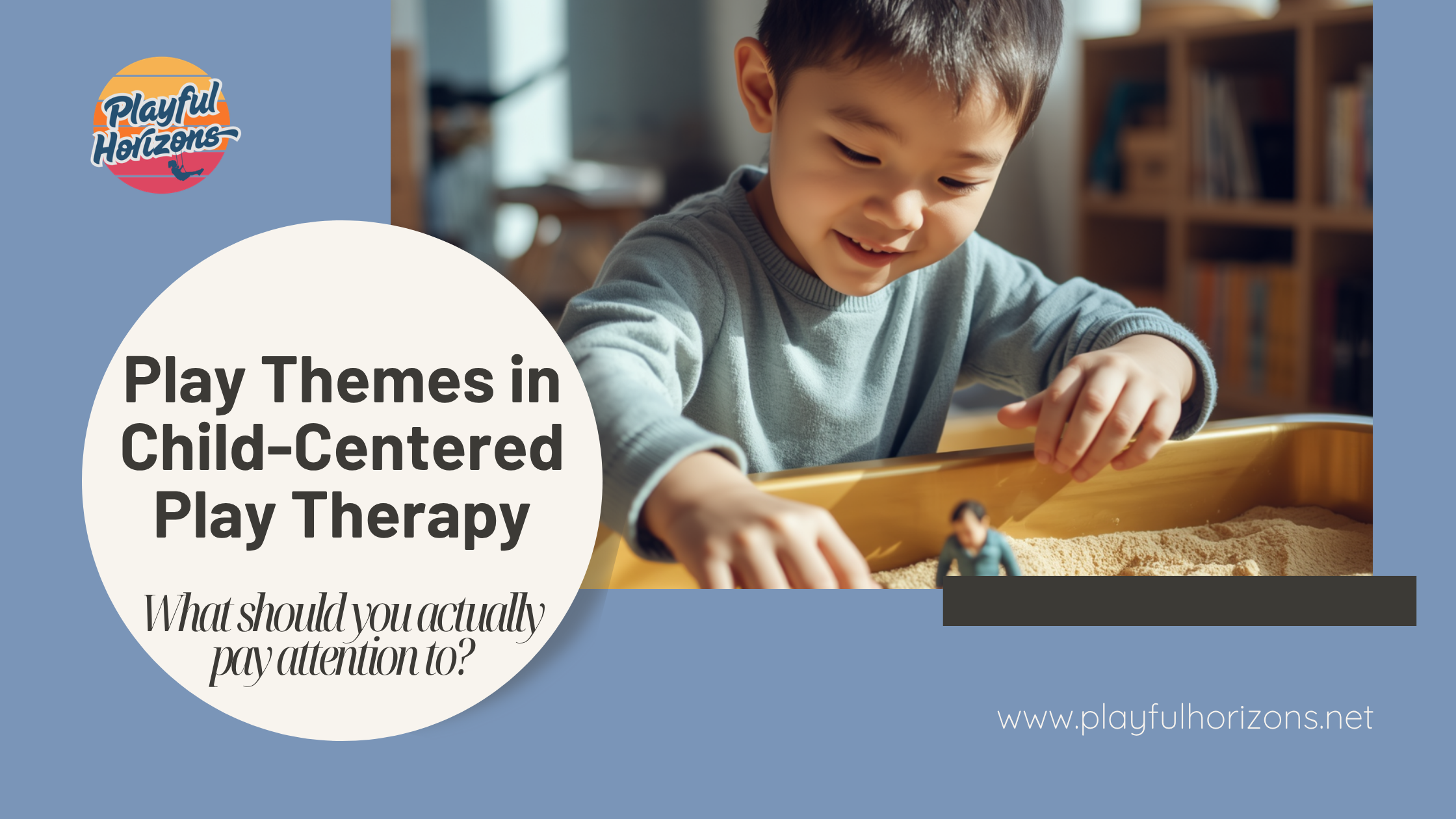
Play Themes in Child-Centered Play Therapy: What Should You Actually Pay Attention To?
Play themes in child-centered play therapy are patterns of behavior, imagery, or emotion that repeat across a session or across multiple sessions with increasing intensity or consistency. A single play behavior is not a theme. Themes are identified through repetition, intensity, context, and change over time and not from a single action in a single session.
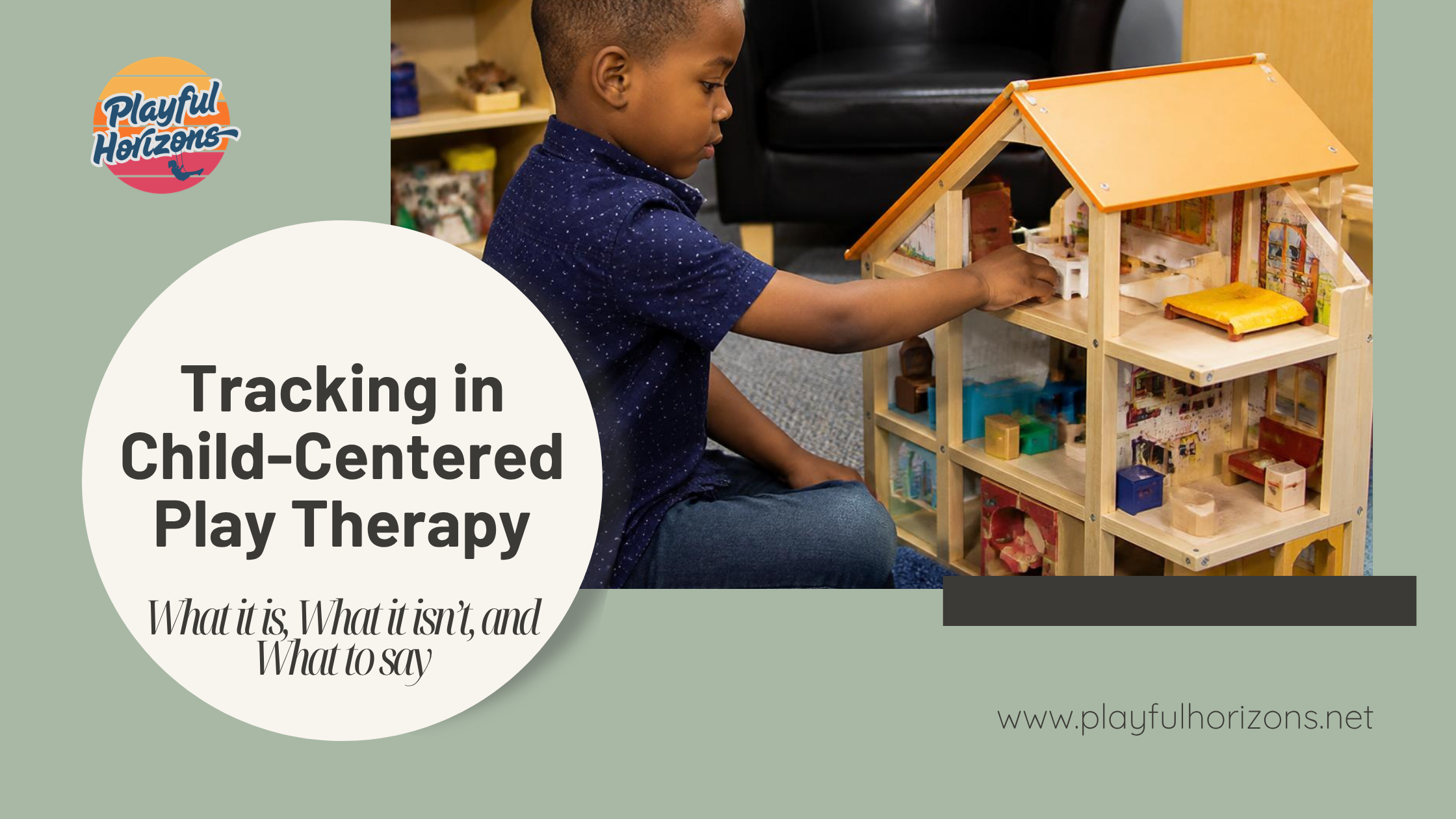
Tracking in Child-Centered Play Therapy: What It Is, What It Isn't, and What to Say
Tracking in child-centered play therapy is the skill of verbally noting what a child is doing without interpretation, praise, or judgment. It communicates presence and attunement while keeping the therapist out of the child's lead. Tracking is not narrating everything the child does, asking questions, or offering praise, it's a deliberate, attuned response that follows the child's tempo and communicates: I see you and I am with you.
The First 10 Toys Children Usually Choose (And What They Might Be Exploring)
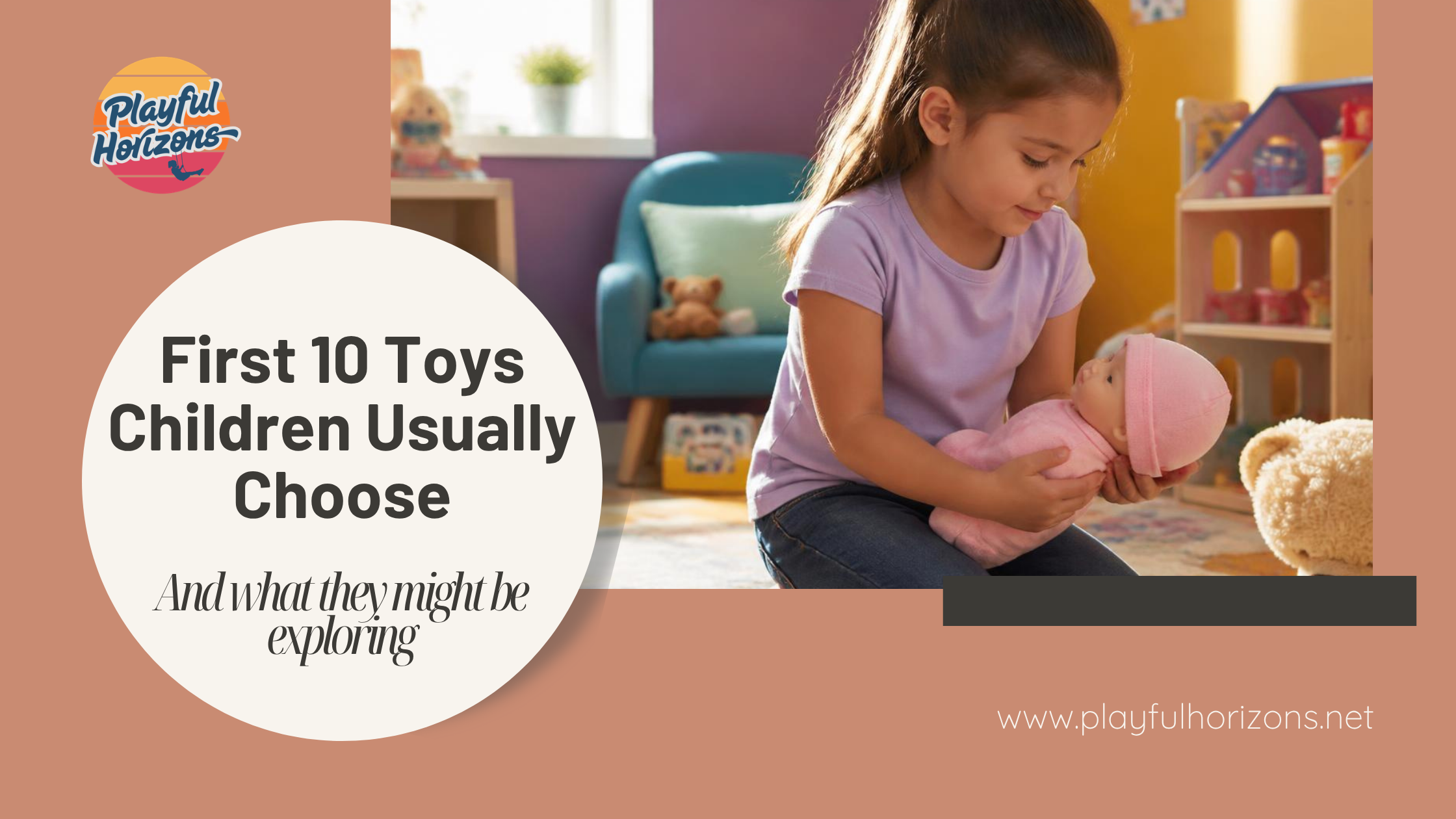
The toys children reach for first in play therapy often open windows into what they're carrying. Baby dolls, dollhouses, puppets, swords, handcuffs, medical kits, art supplies, animals, blocks, and kitchen sets are among the most common first choices and each one can open opportunities to explore a wide range of themes, from nurturing and family dynamics to anger, control, trauma processing, and real-life role exploration.

Why Toy Selection Matters More Than You Think in Child-Centered Play Therapy
In child-centered play therapy, toy selection is a clinical decision. The toys in the room communicate acceptance, permission, and safety to children before a single word is spoken. Grounded in Garry Landreth's framework, intentional toy selection ensures that each item serves a therapeutic purpose -- supporting emotional expression, nurturing, aggression release, creativity, or mastery -- while reflecting the diversity of the children who use the space.
How to Set Up a Child-Centered Play Therapy Room: What You Actually Need (and What You Don't)
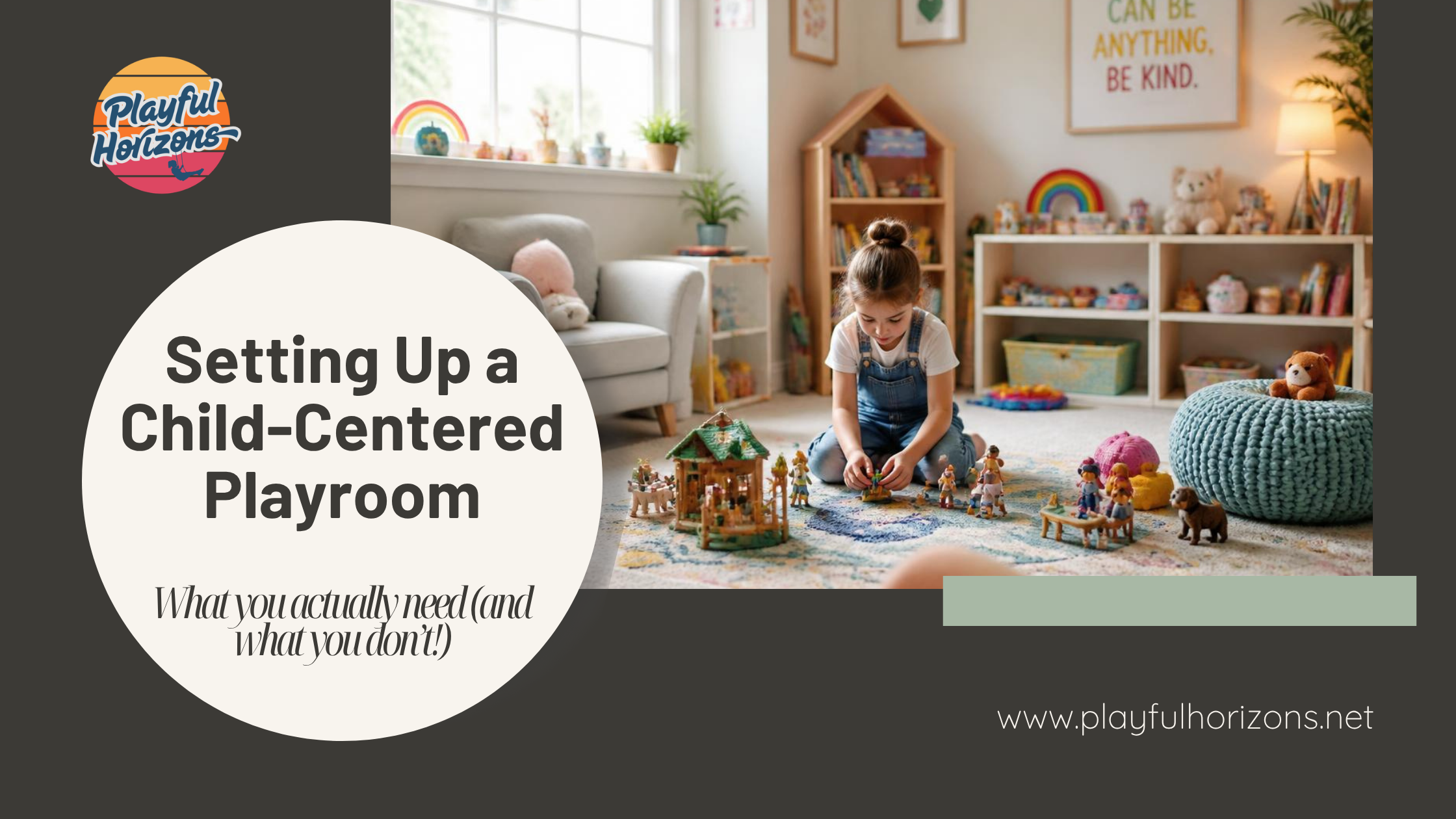
Setting up a child-centered play therapy room isn't about having the most toys. It's about selecting materials with clinical intentionality. A well-designed CCPT room includes carefully chosen items across key therapeutic categories: nurturing toys, aggressive expression toys, creative arts materials, sensory tools, and real-life/domestic play items. Everything in the room should be at the child's level, durable enough to withstand genuine play, and chosen for a clinical reason … not collected at random.

Limit Setting in Play Therapy: How to Use the ACT Model Without Losing the Relationship
The ACT model is a three-step limit-setting approach used in child-centered play therapy: Acknowledge the child's feeling, wish, or want; Communicate the limit clearly; and Target two appropriate alternatives. Developed by Dr. Garry Landreth, ACT allows therapists to hold firm limits while staying warm and attuned, protecting both the safety of the space and the therapeutic relationship.